Body care has always been not just a matter of hygiene, but also a way to express status, health, and beauty. The evolution of these practices is both a story of human culture and progress, from ancient traditions to modern technologies of relaxation and rejuvenation. Let’s take a look at how body care has transformed over the centuries.
Antiquity: Washing as a Ritual of Purity and Community
 In ancient civilizations, body care held both practical and symbolic significance. In ancient Egypt, the cult of beauty and purity was an important part of daily life. Milk baths filled with donkey milk, honey, and oils were meant to keep the skin soft and supple. Cleopatra, renowned for her beauty, introduced the tradition of adding rose petals to the water, which became a symbol of luxury.
The Greeks valued not only aesthetics but also the health of the body. Bathing in mineral springs became part of religious and medical rituals. Hippocrates, the “Father of Medicine,” recommended the use of water for healing ailments.
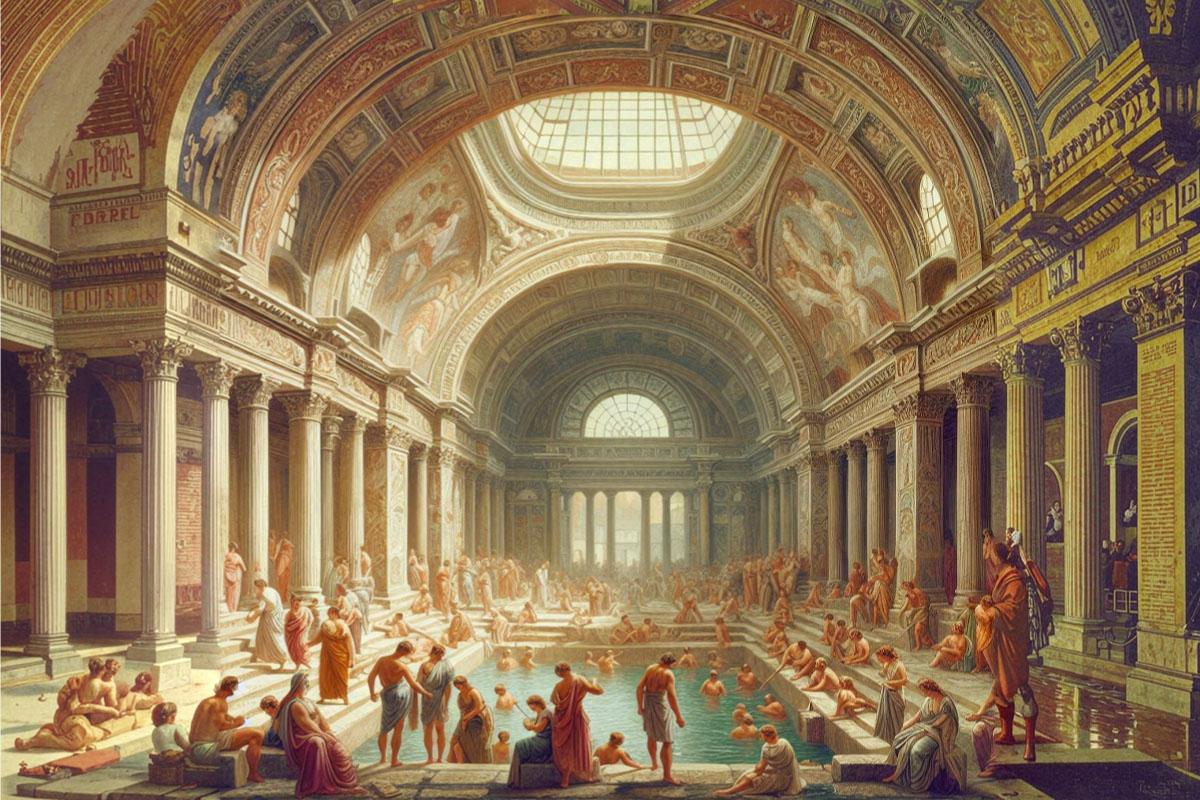
The Romans perfected the tradition of bathing by constructing baths that included cold (frigidaria), warm (tepidaria), and hot pools (caldaria). At these places, people not only washed but also engaged in conversations, read poetry, and held business meetings. The baths became centers of social life, and the use of oils, herbs, and massages turned body care into a luxurious ritual.
The Middle Ages: Religion and the Prohibition of Luxury
 With the fall of the Roman Empire, an era of neglecting bathing traditions began in Europe. The medieval church condemned public baths as a source of vice. People avoided washing, believing that water opened the pores and made the body susceptible to diseases. Instead of water, aromatic sachets and perfumes were used to mask unpleasant odors.
Nevertheless, bathing culture continued to thrive in the East. The Arabic hammams became not only places of cleansing but also of social exchange. In hammams, practices such as heating, skin cleansing with special gloves (kesse), and the use of aromatic oils were common. These traditions have survived to this day and inspire modern spa programs.
The Renaissance: A Return to the Aesthetics of the Body
During the Renaissance, interest in the aesthetics of the body and health was revived. In Europe, people began to rediscover the healing properties of water. Mineral springs like Baden-Baden and Karlovy Vary became popular holiday destinations for the nobility. Convinced of the benefits of water, doctors of the time prescribed bathing in thermal baths to treat rheumatism, skin diseases, and fatigue.
Aristocrats and kings like Catherine de' Medici utilized sophisticated cosmetic treatments: aromatic baths, herbal creams, and even the first primitive forms of mud packs. This period marked the beginning of the development of individual care applications, which later formed the basis for spas.
The 19th Century: The Birth of the Modern Spa
The industrialization and scientific discoveries of the 19th century made hydrotherapy popular. People sought ways to counteract the stress and diseases caused by urbanization. Mineral water and mud baths sprang up everywhere. Spa towns like Vichy and Karlovy Vary offered not only therapeutic baths but also diets, massages, and walks.
At this time, the concept of body care as a combination of health and beauty took shape. Wealthy families spent weeks in the spas to recuperate. These places became a symbol of high status, and the fashionable treatments of the spas spread throughout Europe.

The Modern Spa: A Synthesis of Technology and Ancient Traditions
Today, spas offer a wide range of treatments, many of which have their roots in ancient traditions. Stone therapy (hot stone massage), aroma and hydrotherapy, mud and algae wraps – all of this has become possible thanks to the combination of modern technology and cultural heritage.
Modern spas do not limit themselves to skin care. They also offer meditation, detox programs, and yoga classes. Laser and ultrasound treatments focus on the face and body, while natural oils and extracts are used to restore natural beauty. A personalized approach is essential in these centers: treatments are tailored to the individual needs of the client.