The Discovery of the Healing Spring
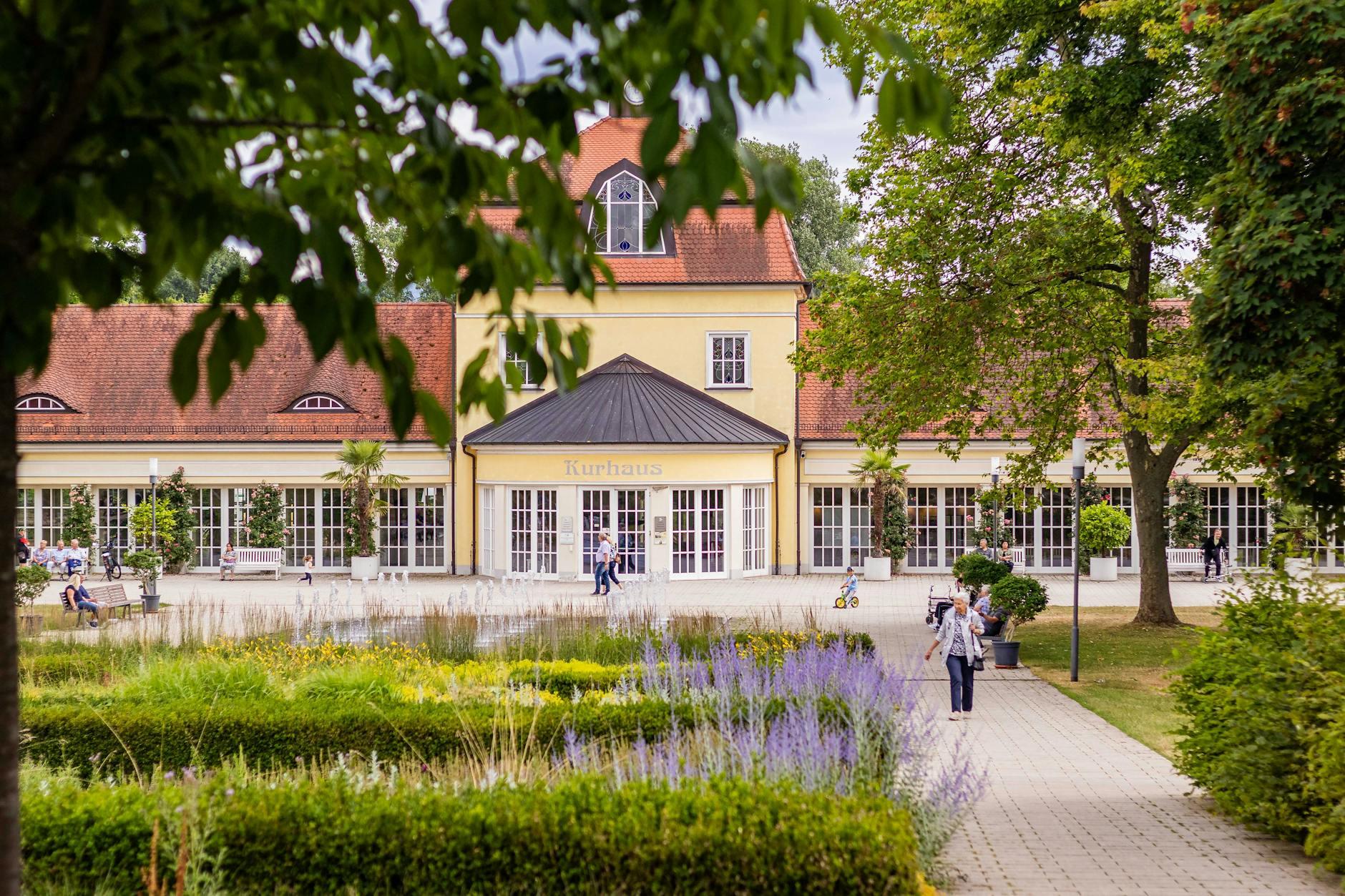
The history of Bad Füssing began in 1938 with an oil drilling that instead of oil revealed a hot sulfur spring. The 56°C thermal water from 1,000 meters deep turned out to be a true remedy. Within a few decades, the small town of Füssing developed into Europe's most visited spa resort — with over 1.6 million overnight stays annually.
Three Thermal Baths, One Healing Water
The special feature of Bad Füssing: All three thermal baths are fed from the same source. Europa Therme — with 13 thermal and outdoor pools, the largest thermal bath in Germany. Johannesbad Therme — specialized in health offerings and medical wellness. Therme Eins — an upscale wellness area with a stylish ambiance. Spa guests can switch between the thermal baths depending on their spa hotel package.
Healing Properties of the Sulfur Thermal Water
The sulfur-containing sodium bicarbonate chloride water has anti-inflammatory, circulation-boosting, and pain-relieving effects. Main indications: rheumatism, osteoarthritis, disc problems, back pain, sports injuries, and circulatory disorders. The sulfur also has a positive effect on skin and joint cartilage.
Why Many Germans Choose Bad Füssing
The biggest advantage: spa treatment in one's own country, without a language barrier, with familiar processes. Health insurance companies often cover part of the costs. The medical infrastructure is top-notch — many orthopedists, rheumatologists, and physiotherapists have practices here. Additionally, the approximately 100 spa hotels offer extensive treatment packages ranging from mud packs to massages to Kneipp therapies.
Around Bad Füssing
The Lower Bavarian Rottal invites with gentle hills, the Inn River, and historic towns like Passau for excursions. The region is particularly popular in spring and autumn — ideal for cycling tours between spa treatments.